
Choosing materials that age well
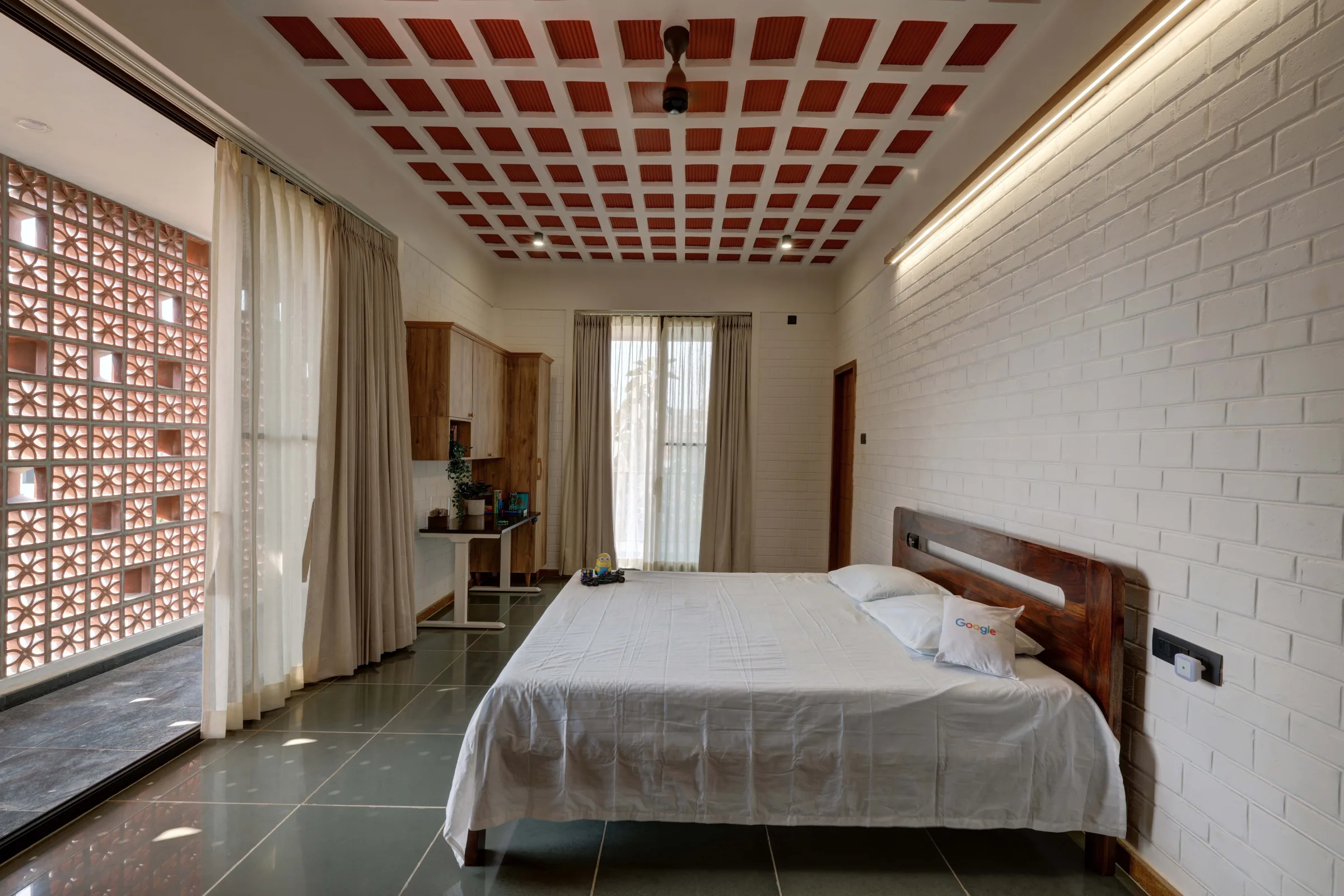
Questions to ask about maintenance, sourcing, repair and the way a material changes over time.
Every material looks good on the day it is installed. The real test comes five or fifteen years later, after a few monsoons, countless footsteps and the ordinary wear of family life. Some materials grow richer with age; others start to look tired within a couple of years. Knowing the difference before you choose saves money, effort and disappointment.
Patina or damage?
It helps to separate two kinds of change. Patina is the gentle ageing that adds character: timber deepening in colour, stone softening at the edges, brass darkening where hands touch it. Damage is change that looks like neglect: laminate peeling at the corners, paint flaking from a damp wall, a glossy tile losing its shine in a path across the floor.
Materials that age well tend to be solid all the way through. A scratch in a stone floor is still stone underneath. A scratch in a printed surface reveals what lies beneath the print. When the colour and texture go right through a material, wear simply becomes part of its story.
Materials that grow better with time
Many of the materials that have served homes in this region for generations are still among the best choices today:
- Exposed brick and laterite need no paint and weather slowly. Laterite, quarried across Kerala, hardens as it is exposed to air.
- Lime plaster lets walls breathe, so moisture can escape instead of being trapped behind a coat of paint, and it can be patched without obvious repairs.
- Terracotta, whether as floor tiles, roof tiles or jaali screens, is fired clay. It mellows in colour and shrugs off heat and rain.
- Natural stone such as granite or Kota stone wears evenly and can be re-polished or honed when it needs refreshing.
- Solid timber can be sanded and re-oiled many times over its life. Left outdoors without a finish, teak turns a soft silver grey.
- Oxide floors, the polished red, black or yellow floors of older Kerala homes, gain a deep sheen with use and regular care.
A material that can be repaired will almost always outlast one that can only be replaced.
Five questions to ask about any material
Before you commit to a floor, a cladding or a worktop, it is worth asking:
- How is it cleaned? Does it need special products, or will water and a cloth do?
- How does it respond to water and sun? Will it stain, swell, fade or crack in our climate?
- Can it be repaired? If one tile breaks, can it be matched? Can a scratch be sanded out?
- Where does it come from? Locally sourced materials are easier to replace, often cost less to transport, and are usually suited to the local climate already.
- Who can work with it? Some finishes depend on skilled craftspeople. Make sure that skill is available near you, both for building and for future repairs.
Consider the climate, honestly
A material that performs well in a dry climate can struggle in a humid one. Some timbers move and crack with seasonal changes in moisture, certain stones stain easily, and paint on exposed walls may need redoing every few years through the monsoon. Choosing materials suited to heat, humidity and heavy rain from the start means less maintenance and fewer surprises.
Spend where hands and feet go
Not every surface needs the most durable option. Floors, kitchen counters, door handles, stair treads and window sills take the most wear, so they are worth investing in. A ceiling or a bedroom wall sees little contact and can be simpler. Directing the budget towards the surfaces you touch every day is one of the most practical ways to make a home that still feels well made years from now.
The homes that age most gracefully are rarely the most expensive. They are the ones built from honest materials, chosen with an eye on how they will look, feel and behave long after the builders have left.